Buying guide
Stone Wall Cladding Mistakes to Avoid Before You Order
Compare Palimanan, Paras, black lava and andesite for stone wall cladding, and learn what to check before you order.
Why limestone comes in so many colours, and what to expect from cream, yellow and grey stone.
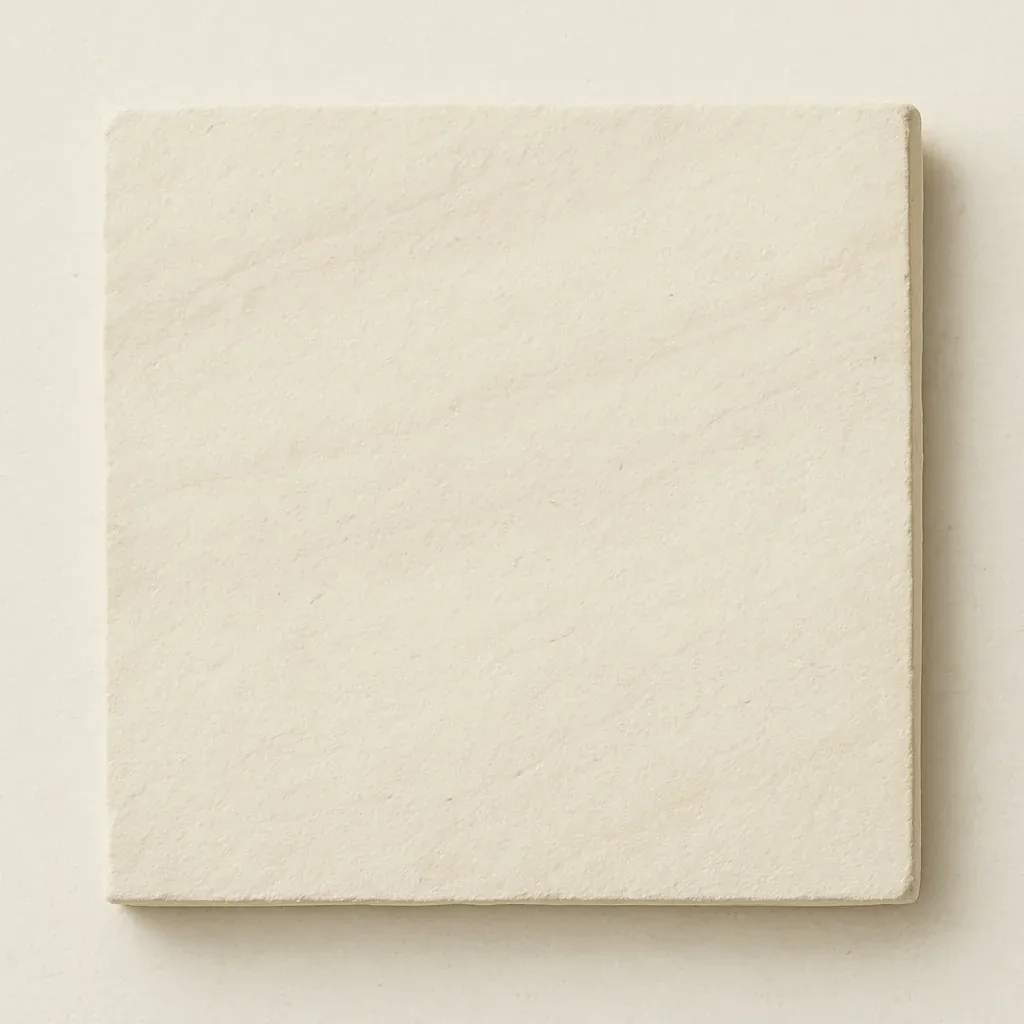
Limestone color ranges from white and cream to yellow, tan and grey. The colour depends on what the stone contains besides calcium carbonate. Our Paras stone is cream or bone white, and our Palimanan stone is white or golden yellow.
People often ask what color is limestone. The short answer is that most limestone is white, cream or pale yellow, but it can also be tan, brown, pink or grey. No single colour defines it.
Because limestone forms in different places, two quarries can supply stones that look quite different, and even one quarry can show colour bands from layer to layer.
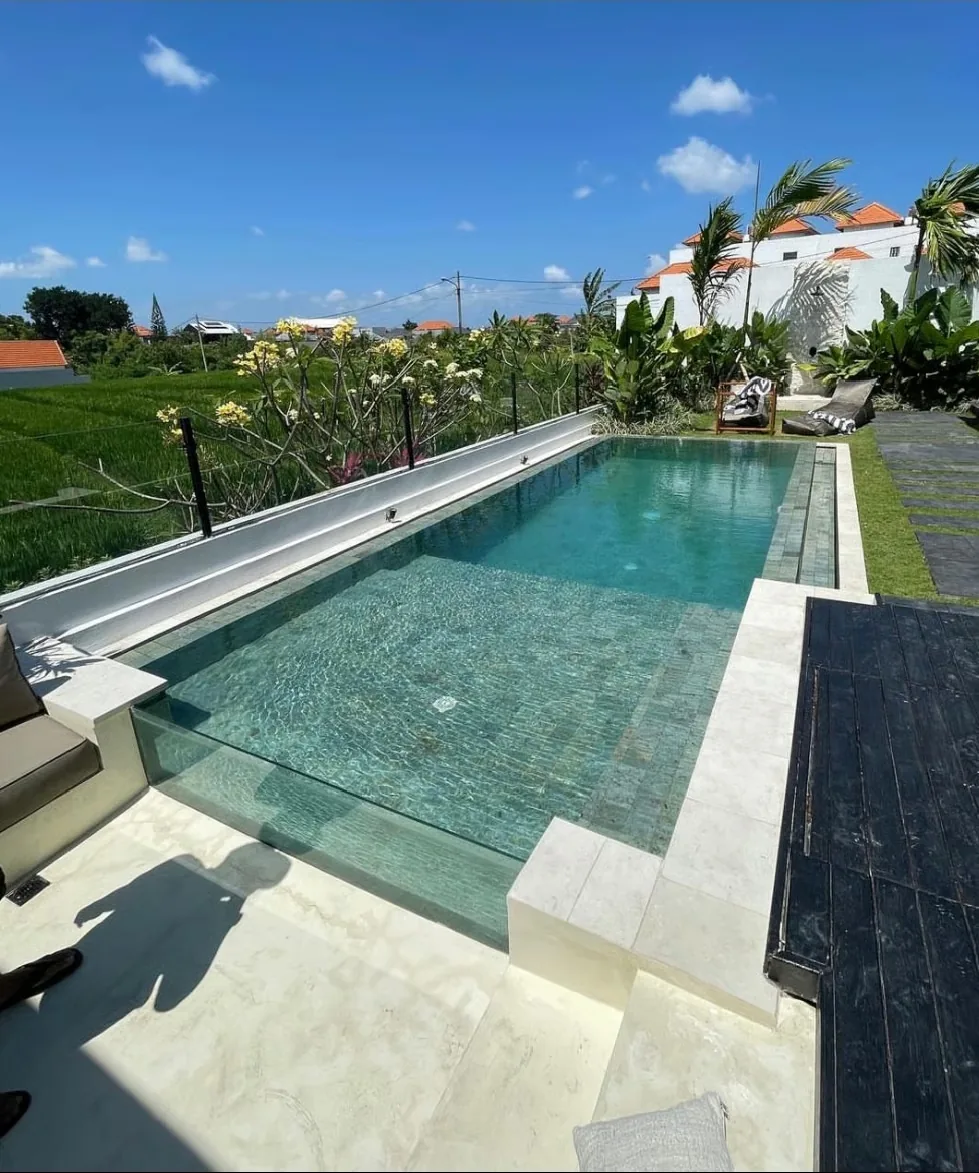
Pure limestone is close to white. Small amounts of other minerals change the colour. Iron minerals tend to give yellow, tan or brown tones, while organic matter and clay can give grey tones.
The grain and texture also change how the colour looks. A honed face looks smoother and a little deeper in tone, while a rough face shows more shadow.
Grey limestone and gray limestone are the same thing: the first is the British spelling and the second is the American spelling. Buyers use both when they search. It is a cooler, more modern tone than cream.
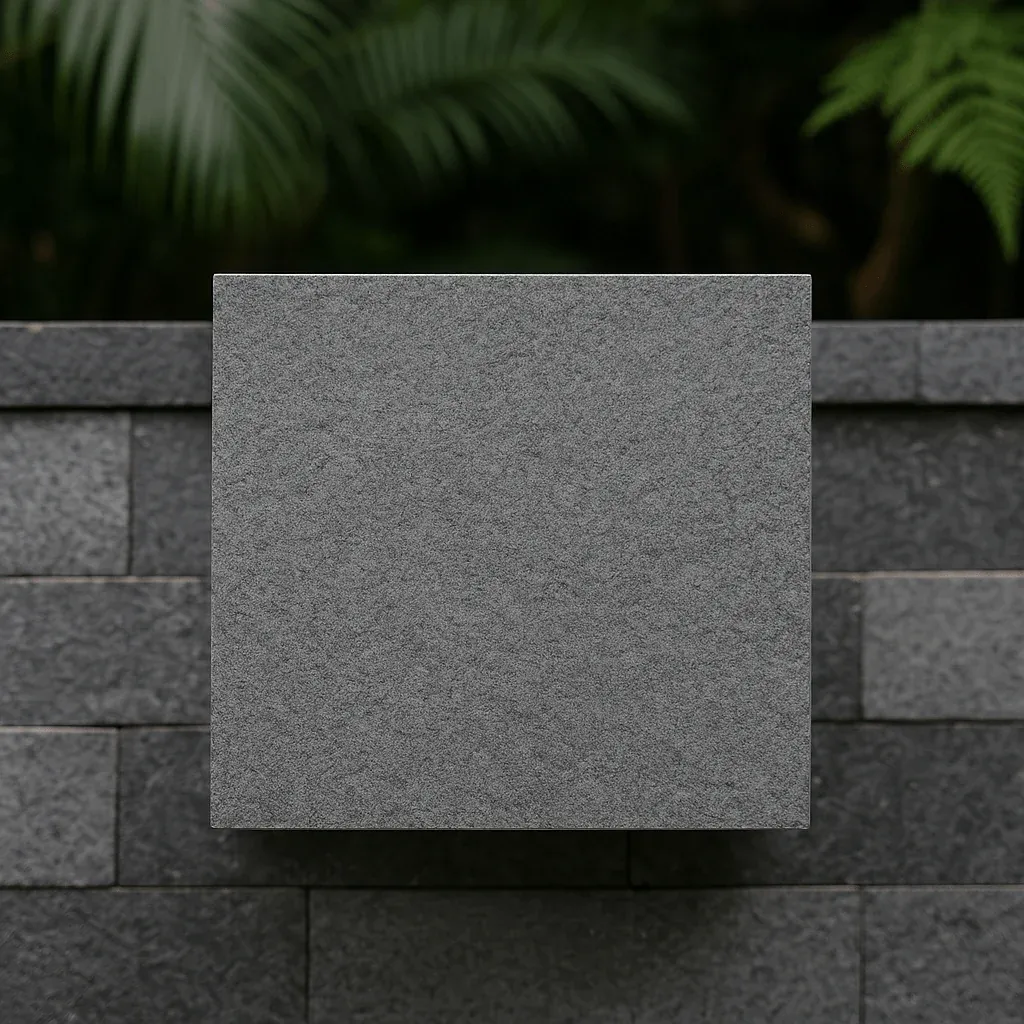
Grey limestone is not part of our range. If you want a grey look from Indonesia, our andesite stone is a grey volcanic stone, but it is not a limestone.
Colored limestone gets its tint from the stone itself, not from dye. Yellow, golden and tan limestone are natural tones, and they can differ between batches.
General advice: Ask your supplier for photos of several pieces, and approve a sample in your own light, because colour looks different under daylight and indoor lighting.
These are the colours we list for our limestone and limestone-type stones:
| Stone | Type | Colour | Finishes | Standard sizes | Thickness |
|---|---|---|---|---|---|
| Paras Stone | Soft Limestone | Cream / Bone White | Carved, Sawn Cut, Rough Face | 10x20, 20x20, 20x40, 30x60 cm | 2, 3, 5 cm |
| Palimanan Stone | Sandstone / Limestone | White (Super White), Yellow (Golden) | Honed, Sawn Cut, Rough Face | 15x30, 20x40, 30x60 cm | 1.5 - 2 cm |
Paras is a soft cream limestone often used for carving and wall cladding. Palimanan is listed as sandstone or limestone, in white (Super White) and golden yellow.
Light stone such as cream and white makes a room feel brighter. Golden tones feel warmer. When you compare, use real samples, view them next to your floor, paint and furniture, and look at several pieces rather than one.
See our guide to stone wall cladding for what else to check, or send us your project details for a quotation.
Most limestone is white, cream or pale yellow, but it can also be tan, brown, pink or grey.
Yes. Grey is the British spelling and gray is the American spelling.
Paras stone is cream or bone white. Palimanan stone is white (Super White) or yellow (Golden).
No. Natural stone varies from piece to piece and from batch to batch, so approve a sample first.
Factory-direct natural stone from Sukabumi, West Java, with export documents.
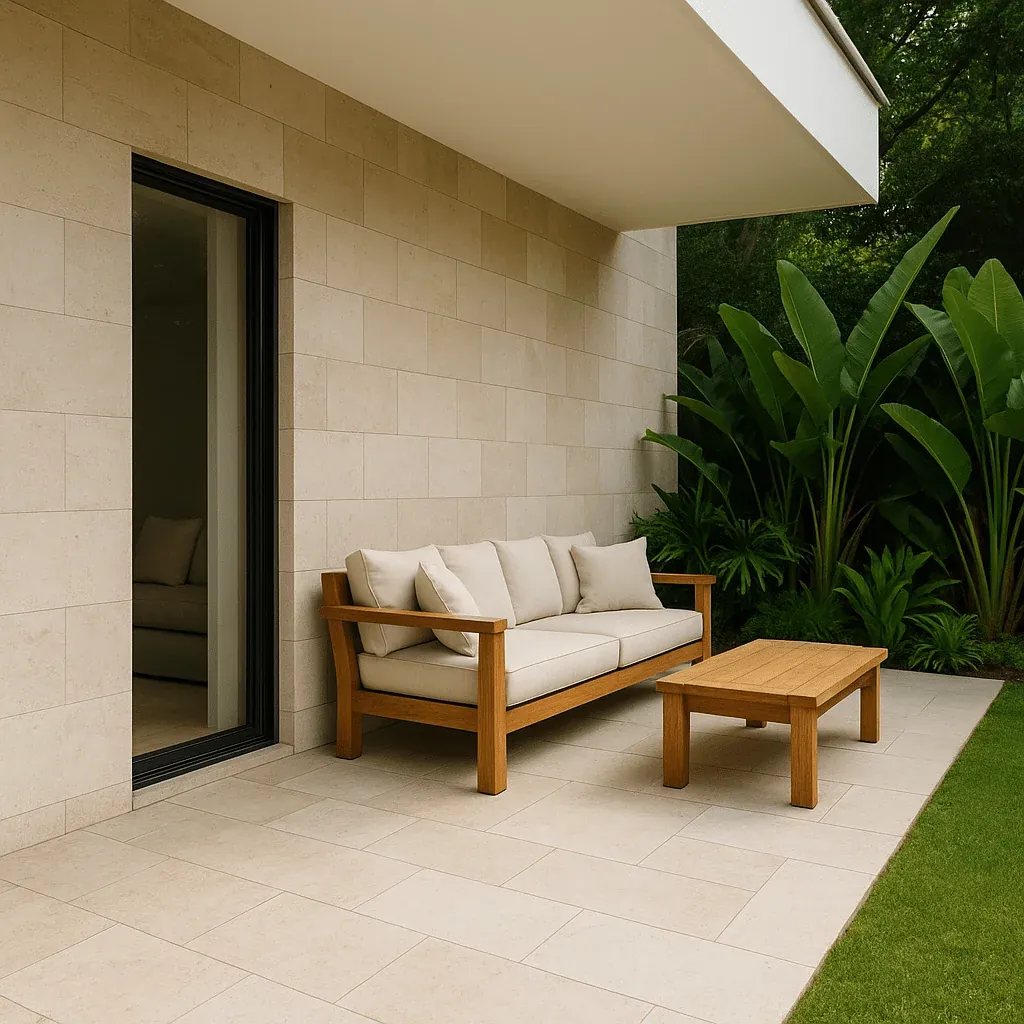
Cream soft limestone for carving, wall reliefs and cladding.
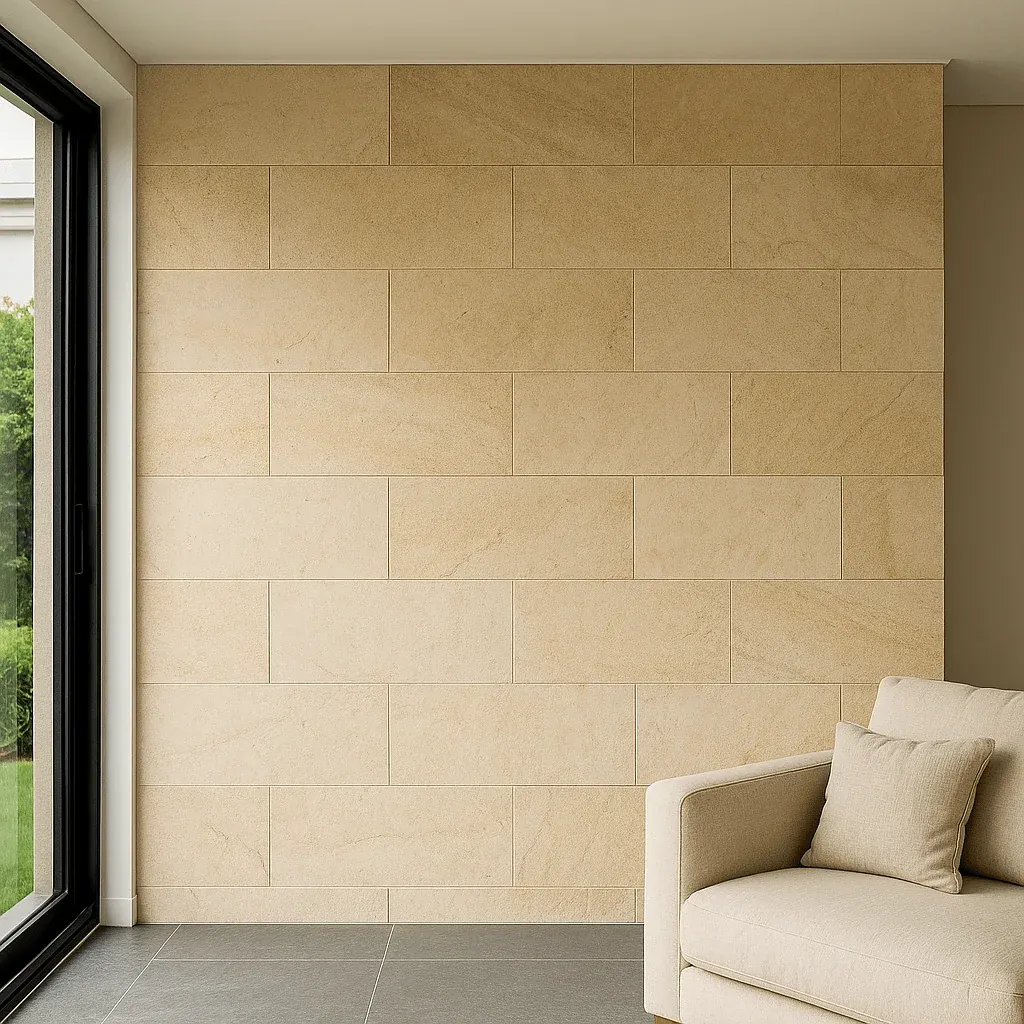
White or golden sandstone for wall cladding and facades.
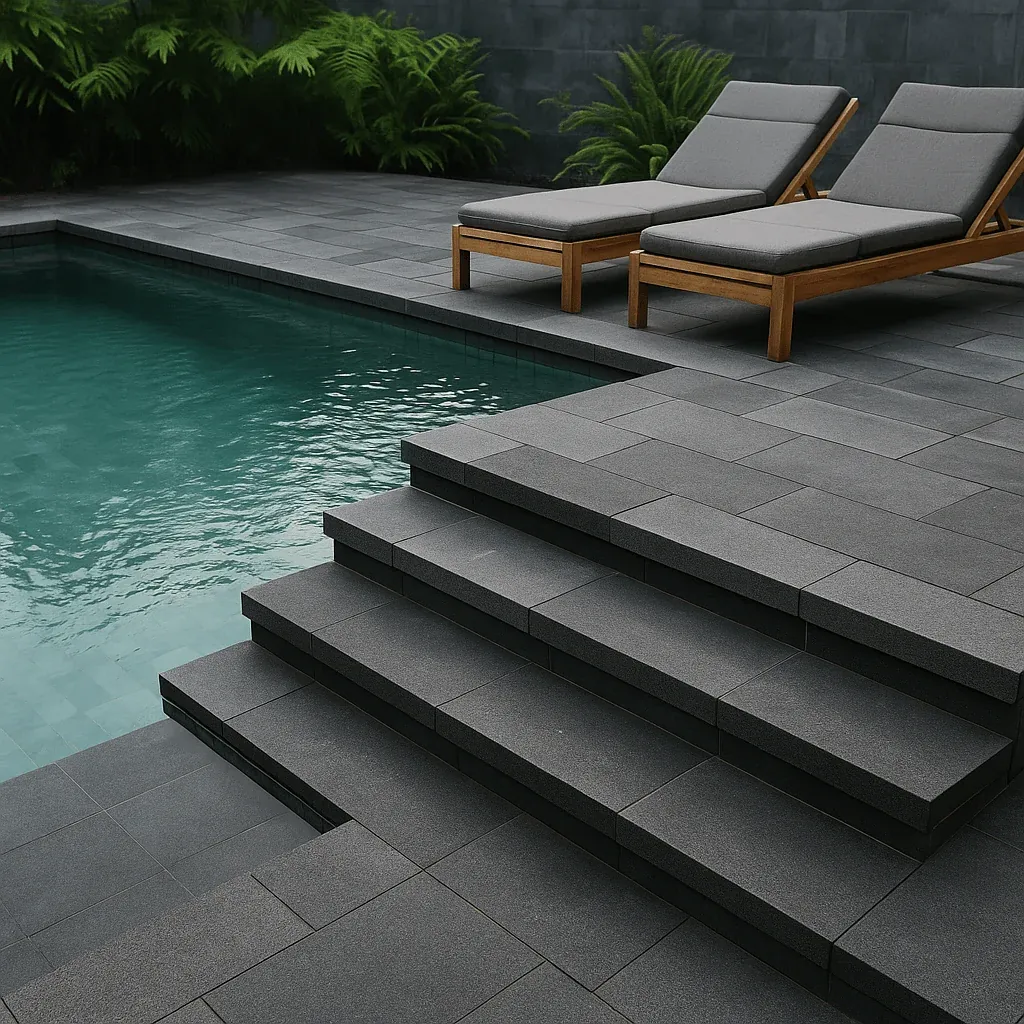
Grey volcanic stone for driveways, pavers, walkways and wall cladding.
Compare Palimanan, Paras, black lava and andesite for stone wall cladding, and learn what to check before you order.
Paras stone is a soft cream limestone, also known as Bali limestone. See what it is used for and how to care for it.
A short glossary of honed, flamed, sawn cut, bush hammered, rough face and carved finishes.